Einstein said «If A equals success, then the formula is: A=X+Y+Z.
X is work.
Y is play.
Z is keep your mouth shut.»
Let's have look at the three variables:
1. Work: Albert Einstein had a tremendous work ethic and because of that gave more to society and modern science than any person in recent times.
2. Play: Einstein, however, did not work 24 hours a day and made time for fun and relaxation. His idea of fun may have been different than yours, but that doesn't mean it still wasn't play.
3. Keeping your mouth shut: I remember the cart story in which a father tells to son: Never forget that empty carts do always too much noise. Silent carts are those that go full and heavy. So we can connect this to peopel who talk too much. Certainly they are «empty». So, who talk the least says the most.
Ron White tells us an allusive story: «A friend of mine complains that the woman he is dating talks too much. I don't know how to break the news to him: The problem isn't that she talks too much; it's simply the fact that he is irritated that he isn't able to talk. Now, let me just say this is not a generic man and woman statement. I am speaking about a specific person I know. His desire is to constantly talk, and because he likes to talk so much, he will talk in circles. If you let him talk long enough he will repeat the same thing three times and then contradict himself. His desire is not to hear but to be heard.»
And Ron White continues: «Albert Einstein, on the other hand, had nothing to prove. He felt no need to be the "Chatty Cathy" he could have been with his knowledge. It wasn't important to him to talk to everyone he met and talk over their heads to demonstrate his IQ. Instead, he learned the value of quietness and solitude.
Shift your mindset from being a talker to a listener. It has been said that you can make more friends in five minutes by becoming interested in others than you can make in five years of trying to get others interested in you! How do you become interested in others? You ask questions and then keep your mouth shut!
quarta-feira, 10 de novembro de 2010
segunda-feira, 8 de novembro de 2010
Mais uma lição pública do como fazer
O estilo de liderança que mais aprecia “é o participativo, descentralizador e meritocrático” e que, embora a gestão tenha de ser compreendida por todos, deve ser “rigorosa e profissional e que não é um chavão. Na verdade é um padrão".»
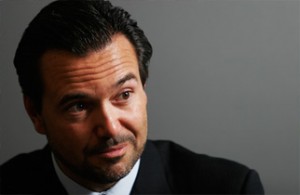
O semanário «Expresso» publica este fim-de-semana a notícia de que «António Horta Osório vai liderar o maior banco britânico», o Lloyds, que ganhou 1.36 mil milhões de euros só com a nomeação de Osório. E continua: «Horta Osório escolheu liderar o maior banco inglês. Para isso abandona uma carreira de 18 anos no Santander que o deveria levar ao topo do grupo espanhol.» Osório foi ganhar menos, mas aceitou o desafio.
Porque é Osório tão requisitado e reconhecido? Fernando Adão da Fonseca, ex-professor, de Osório na Universidade Católica, caracteriza-o:«Acho que se diverte a fazer as coisas bem. Quer ser o melhor e é assim também no desporto. No ténis, no mergulho, procura fazer sempre melhor. Ambicioso, destacava-se por ter opinião própria e espírito crítico. Nunca decorava as matérias, raciocinava sobre elas.» E é assim que com 46 anos chega ao topo.
No mesmo jornal são descritas as palavras de Osório «numa carta que escreveu a um jovem gestor na revista “Exame”».
«Horta Osório assume que o estilo de liderança que mais aprecia “é o participativo, descentralizador e meritocrático” e que, embora a gestão tenha de ser compreendida por todos, deve ser “rigorosa e profissional e que não é um chavão. Na verdade é um padrão".» As equipas que escolhe são multidisciplinares, pessoas muito diferentes que se complementam e cooperam. Com isso consegue alcançar bons resultados.
Que mais dizer depois disto?
If I was the boss!... An evolutionary setback
Evolutionary setback, as «negative growth» is how I define one of the largest and most popular business cliches: «If I were the boss!»
In 30 years of work, many people have heard this phrase: «If I were the boss». So far so good, but then we face the intention announced:
- «If I were the boss, I put them all on the line»
- «If I were the boss, I'd set up that guy at that department... »
- «If I were the boss, they would know how it was!!...»
- «If I were the boss, I ended up with much here»
Rarely I have heard ideas about organization, work processes, behavior regulation, productivity and team performance.
It is unfortunate that claim to «put everything in order or in a line», as if this figure of speech was synonymous with productivity.
Experts in leadership and books both say: the first condition for being a leader or manager is willing to be so.
Very good. I agree. And the «why»?
- «Why do you have to be director?»
- «Why do you want to be...?»
- «What do you do if ?...»
How, why and for what?
In my career I had the opportunity of working in large, small and medium-sized companies, all market leaders in the chemical industry and the media. What I been seeing since then it was a patern. For the most part, people in charge were chosen from bizarre assumptions. And that became like a tradition. It is clear that the results were in all situations of loss of competitiveness. And the end result was the sale or even closure of the company.
And why? because these managers are so because they are from someone in the family business or become friends of some hierarchy, or because they attend the house of someone influential or even because they lend themselves to provide information «precious», gossiping about the teams. Or because they are so friendly and helpful staff who make themselves available to perform personal favors.
The protection comes to whom will buy food for the dog's master. Will pay the light and water from the director's residence. Go buy that organic fruit balanced meals for the administrator. Will bring the car to review for lack of time the boss. Finally, a multitude of favors that can maintain an appropriate jurisdiction in a place of leadership.
For me, this reality still so evident is coming from the fragile emotional condition of man, which leads to a kind of evolutionary setback. Like the famous, weird and bizarre «negative growth», if it has meaning.
Everything is studied, everything is published, it is disclosed. But it continues with these very human weaknesses exposed.
There is no end to this, we have to deal with this situation and just try to ameliorate it in time. Secondly, this deep modern crisis, perhaps naturally regulate some of this dysfunctionality. The natural law prevail over the law of man.
In 30 years of work, many people have heard this phrase: «If I were the boss». So far so good, but then we face the intention announced:
- «If I were the boss, I put them all on the line»
- «If I were the boss, I'd set up that guy at that department... »
- «If I were the boss, they would know how it was!!...»
- «If I were the boss, I ended up with much here»
Rarely I have heard ideas about organization, work processes, behavior regulation, productivity and team performance.
It is unfortunate that claim to «put everything in order or in a line», as if this figure of speech was synonymous with productivity.
Experts in leadership and books both say: the first condition for being a leader or manager is willing to be so.
Very good. I agree. And the «why»?
- «Why do you have to be director?»
- «Why do you want to be...?»
- «What do you do if ?...»
How, why and for what?
In my career I had the opportunity of working in large, small and medium-sized companies, all market leaders in the chemical industry and the media. What I been seeing since then it was a patern. For the most part, people in charge were chosen from bizarre assumptions. And that became like a tradition. It is clear that the results were in all situations of loss of competitiveness. And the end result was the sale or even closure of the company.
And why? because these managers are so because they are from someone in the family business or become friends of some hierarchy, or because they attend the house of someone influential or even because they lend themselves to provide information «precious», gossiping about the teams. Or because they are so friendly and helpful staff who make themselves available to perform personal favors.
The protection comes to whom will buy food for the dog's master. Will pay the light and water from the director's residence. Go buy that organic fruit balanced meals for the administrator. Will bring the car to review for lack of time the boss. Finally, a multitude of favors that can maintain an appropriate jurisdiction in a place of leadership.
For me, this reality still so evident is coming from the fragile emotional condition of man, which leads to a kind of evolutionary setback. Like the famous, weird and bizarre «negative growth», if it has meaning.
Everything is studied, everything is published, it is disclosed. But it continues with these very human weaknesses exposed.
There is no end to this, we have to deal with this situation and just try to ameliorate it in time. Secondly, this deep modern crisis, perhaps naturally regulate some of this dysfunctionality. The natural law prevail over the law of man.
«Se eu mandasse!!». Um recuo evolutivo
Recuo evolutivo, à semelhança do «Crescimento Negativo», é como defino um dos maiores e mais populares clichés empresariais: «SE EU MANDASSE!!»
Em 30 anos de trabalho, a muita gente ouvi sair-lhe da boca a sua vontade de «MANDAR». Até aqui tudo bem, mas vejamos o intuito anunciado:
- «Se eu mandasse, punha-os todos na linha»
- «Se eu mandasse, despedia aquele tipo e o outro ali daquele departamento…»
- «Ai se eu mandasse, haviam de saber como era!!...»
- «Se eu mandasse, acabava com muita coisa aqui»
Raras vezes ouvi ideias sobre organização, processos de trabalho, regulação de comportamentos, produtividade e performance das equipas.
É lamentável esta pretensão de «pôr tudo na ordem» ou «na linha», como se esta figura de estilo de enfileiramento alinhado fosse sinónimo de produtividade.
Dizem os livros e os experts em liderança: a primeira condição para se ser manager ou líder é estar disponível e querer sê-lo.
Muito bem. Concordo. E o «porquê»?
- «Porque é que queres mandar, ser chefe ou director?»
- «Para que queres ser…?»
- «O que fazias se?...»
Como, porquê e para quê?
Neste meu percurso tive oportunidade de trabalhar em empresas grandes, pequenas e médias, todas elas líderes de mercado na indústria química e na imprensa. O que fui vendo como padrão foi que as chefias, na sua maior parte, eram escolhidas e propostas a partir de pressupostos bizarros. Mas que se tornaram como que uma tradição. É claro que os resultados em todas as situações foram de perda de competitividade. E o resultado final foi a venda ou até o fecho da companhia.
E porquê? porque estas chefias são-no porque são família de alguém na empresa, ou porque se tornam amigos de alguma hierarquia, ou porque frequentam a casa de alguém influente ou até porque se prestam a fornecer informações «preciosas», fofocando sobre as equipas. Ou ainda porque são tão simpáticos e prestáveis que se disponibilizam a executar favores pessoais.
A protecção chega a quem vai comprar a comida para o cão do patrão. Vai pagar a luz e a água da residência do director. Vai comprar aquela fruta biológica para a alimentação regrada do administrador. Vai pôr o carro à revisão por falta de tempo do chefe. Enfim, uma infinidade de favores convenientes que podem manter um incompetente num lugar de chefia.
E neste departamento é caso para repensar tudo. Para mim, esta realidade ainda tão evidente representa a frágil condição emocional do homem, que conduz a uma espécie de recuo evolutivo. À semelhança do famoso, estranho e bizarro «crescimento negativo», se é que tem significado.
Está tudo estudado, está tudo publicado, está tudo divulgado. Mas continua-se com estas fraquezas humanas muito expostas.
Não há como acabar com isto, temos de lidar com esta situação e apenas tentar amenizá-la, com o tempo. Por outro lado, esta crise profunda e moderna talvez regule naturalmente alguma desta disfuncionalidade. A lei natural imperará sobre a lei do homem se este não intervém atempada e antecipadamente.
Em 30 anos de trabalho, a muita gente ouvi sair-lhe da boca a sua vontade de «MANDAR». Até aqui tudo bem, mas vejamos o intuito anunciado:
- «Se eu mandasse, punha-os todos na linha»
- «Se eu mandasse, despedia aquele tipo e o outro ali daquele departamento…»
- «Ai se eu mandasse, haviam de saber como era!!...»
- «Se eu mandasse, acabava com muita coisa aqui»
Raras vezes ouvi ideias sobre organização, processos de trabalho, regulação de comportamentos, produtividade e performance das equipas.
É lamentável esta pretensão de «pôr tudo na ordem» ou «na linha», como se esta figura de estilo de enfileiramento alinhado fosse sinónimo de produtividade.
Dizem os livros e os experts em liderança: a primeira condição para se ser manager ou líder é estar disponível e querer sê-lo.
Muito bem. Concordo. E o «porquê»?
- «Porque é que queres mandar, ser chefe ou director?»
- «Para que queres ser…?»
- «O que fazias se?...»
Como, porquê e para quê?
Neste meu percurso tive oportunidade de trabalhar em empresas grandes, pequenas e médias, todas elas líderes de mercado na indústria química e na imprensa. O que fui vendo como padrão foi que as chefias, na sua maior parte, eram escolhidas e propostas a partir de pressupostos bizarros. Mas que se tornaram como que uma tradição. É claro que os resultados em todas as situações foram de perda de competitividade. E o resultado final foi a venda ou até o fecho da companhia.
E porquê? porque estas chefias são-no porque são família de alguém na empresa, ou porque se tornam amigos de alguma hierarquia, ou porque frequentam a casa de alguém influente ou até porque se prestam a fornecer informações «preciosas», fofocando sobre as equipas. Ou ainda porque são tão simpáticos e prestáveis que se disponibilizam a executar favores pessoais.
A protecção chega a quem vai comprar a comida para o cão do patrão. Vai pagar a luz e a água da residência do director. Vai comprar aquela fruta biológica para a alimentação regrada do administrador. Vai pôr o carro à revisão por falta de tempo do chefe. Enfim, uma infinidade de favores convenientes que podem manter um incompetente num lugar de chefia.
E neste departamento é caso para repensar tudo. Para mim, esta realidade ainda tão evidente representa a frágil condição emocional do homem, que conduz a uma espécie de recuo evolutivo. À semelhança do famoso, estranho e bizarro «crescimento negativo», se é que tem significado.
Está tudo estudado, está tudo publicado, está tudo divulgado. Mas continua-se com estas fraquezas humanas muito expostas.
Não há como acabar com isto, temos de lidar com esta situação e apenas tentar amenizá-la, com o tempo. Por outro lado, esta crise profunda e moderna talvez regule naturalmente alguma desta disfuncionalidade. A lei natural imperará sobre a lei do homem se este não intervém atempada e antecipadamente.
sexta-feira, 5 de novembro de 2010
Precisamos de… Kaisen. Todos os dias
(in Portuguese)
Hoje melhor do que ontem, amanhã melhor do que hoje!
Nenhum dia deve passar sem que alguma melhoria tenha sido implantada, seja ela na estrutura da empresa ou no indivíduo. Melhoria contínua.
Kaizen, ou Mudança para Melhor, é uma palavra de origem japonesa com o significado de melhoria contínua, gradual, na vida em geral (pessoal, familiar, social e no trabalho).Foi nos anos 50 que os japoneses criaram o conceito Kaizen, que tem por objectivo o bem da organização e das pessoas. O intuito é sempre o da obtenção de melhores resultados e de uma melhoria contínua. Nenhum dia deve passar sem que alguma melhoria tenha sido implantada: nos processos de trabalho, de produção e sector administrativo. A melhoria abrange também a inovação, a criatividade e a gestão dos desperdícios.
Uma das empresas de referência é a Toyota, cujos modelos produtivos foram à data exemplo de gestão e de produção, baseados no Kaisen.
Ainda sobre o Kaisen, já aqui escrevi a história do alfaiate da Babilónia e o Tesouro de Bresa, na qual um pobre alfaiate compra um livro com o segredo de um tesouro. Para descobrir o segredo, ele tem que estudar sempre para ir decifrando os enigmas da obra: matemática, geometria e os vários idiomas exóticos.
Ao estudar e aprender estes idiomas, começam a surgir oportunidades, e ele lentamente (de forma segura) começa a prosperar. Passa depois aos cálculos matemáticos, pelo que é obrigado a continuar a estudar e a desenvolver-se. E a sua prosperidade aumenta.
No final da história, descobre que não existe de todo tesouro algum. E o significado é esse mesmo. Na busca do segredo, a pessoa desenvolve-se tanto que é nela própria que reside o tesouro. O processo de melhoria não deve acabar nunca, e os tesouros são conquistados com saber e trabalho. Por isso, a viagem é mais importante que o destino.
(in English)
We need... Kaisen. Every day
«Today more than yesterday, better tomorrow than today!» No day should pass without some improvement has been deployed, be it in the structure of the company or individual. Continuous improvement.
Kaizen is a Japanese word with the meaning of continuous improvement, in general (personal, family, social and work).
It was in the 50s that the Japanese created the concept Kaizen, which aims at the good of the organization and the people. The intent is always the best results and continuous improvement. No day should pass without some improvement has been deployed: in work processes, production and administrative sector. The improvement also includes innovation, creativity and management of waste.
One of the leading companies is Toyota, whose models have been productive to date example of management and production, based on Kaisen.
Still on the Kaisen, I've already written the story of Taylor and the treasury of Babylon Bres, in which a poor tailor buys a book with a secret of a treasure. To discover the secret, he must always consider going to work deciphering the riddles of mathematics, geometry and several exotic languages.
By studying and learning these languages, opportunities begin to emerge, and he slowly (safely) begins to thrive. She goes on to math, so it is bound to continue to learn and develop. And their prosperity increases.
At the end of the story, the taylor find out that there isn't a any treasure secret. The meanig of the story: In searching of the secret, the taylor developed so much that he find out it was itself a treasure, after learning process.
The treasures are conquered with knowledge and work. Therefore, the journey is more important than the destination.
quarta-feira, 3 de novembro de 2010
Ainda o «Truque» e o que é um cliente? (II)
(in Portuguese)
Cliente não é quem entra no café, cliente não é quem pede o café, cliente não é quem bebe o café, cliente mesmo é quem paga o café
E em sequência do TRUQUE, aqui vai mais uma história e uma ideia.
A senhora é comercial, trabalhou numa empresa de renome, arranjou uma carteira de clientes, facturava bem anualmente. Resultado, a senhora convenceu-se que dava muito dinheiro a ganhar ao patrão e vai daí «vou montar uma empresa. Porque hei-de estar a dar dinheiro a ganhar aos outros?».
A senhora cria então a empresa. Uma editora de pubicações. A senhora marca reuniões e reuniões, a senhora tem algo para vender, enumera os seus predicados profissionais, promete volumes de negócios avultados em curto espaço de tempo, pede preços especiais de arranque. Distribuição, impressão, etc. Ninguém duvida da sua competência, confiam na experiência, já tinham ouvido falar dela, acreditam nas suas promessas. A senhora prolonga as reuniões, torna-as quase monólogos autocentrados.
Mas nesta crise, a senhora vai conseguindo só alguma publicidade e muitas promessas da mesma para os meses seguintes. A senhora vende a palavra e fica também com a palavra dos outros. Prometida. Alguns ainda lhe compram a palavra. E a senhora queixa-se, queixa-se muito da resistência de quem promete. Pois. Já não é a mesma coisa. Dantes, com uns telefonemas a coisa rolava e facturava-se bem... Mas agora!!!...
Porém, a senhora lá vai conseguindo convencer alguns poucos, incautos e crentes, com a palavra e com a promessa. Consegue bons preços, sem garantia de pagamento, mas consegue. De vitória em vitória, lá vai conseguindo vencer pequenas batalhas. A senhora é o máximo.
Mas então chega a hora da verdade. Porque a senhora não paga. A senhora falta à palavra, a senhora incomoda com os avanços e os recuos, os adiamentos, a senhora importuna com as sua promessas sucessivas. E a senhora diz: «Eu sou vossa cliente, é só uma questão de tempo». Pois é!
Mas todos sabem e sentem que: Cliente não é quem entra no café, cliente não é quem pede o café, cliente não é quem bebe o café, cliente mesmo é quem paga o café. E este princípio serve para todos os negócios. Só quando se paga se fica a ser cliente.
Chamam cliente a quem entra no café por presunção de que se vai efectuar um pagamento de serviço, que compõe o café, o desgaste da máquina, o trabalho do empregado, a lavagem da chávena e a limpeza do estabelecimento.
Portanto, o Dizer já não se compra tanto. A Promessa ainda menos. O que se compra mais agora é o FAZER. Esse é o grande negócio.
(in English)
Still about TRICKS, here's another story and an idea (II)
Client is not who come in the cafe, customer is not who asks for a coffee, customer is not who drinks the coffee, customer is even who pays the coffee
The lady is merchant, has worked in a reputed company, got a portfolio of clients, and has made good money in the last couple of years. So, as the lady was convinced that has given to much money to the boss, then thought «I'll start a company. Why should I be giving money to others?»
Then, the lady created a company. An editor of press publications. She schedule meetings and meetings, the lady has something to sell, she lists its professionals predicates, she makes huge promises of revenues in a short time, ask for special prices for starting. Distribution, printing, etc... No one doubts their competence, they rely on experience, had heard of it, believe in their promises. The lady stay too much time in the meetings, making self-appraisal monologues.
But in nowadays crisis, the lady only gets some publicity and lots of promises of investment for the following months. The lady is selling the word and get also the others word. Promise. And she complains, complains, because of the resistance. It is not the same thing. Formerly, with some calls things rolled up well... But now!!!...
But the lady after all is able to convince a few, unsuspecting believers, with their words and promises. Achieves good prices, without guarantee of payment. From victory to victory. The lady feel she's the best.
But then comes the moment of truth. Because she doesn't pay. She lacks the word, the lady bugs with advances and setbacks, the postponements, the lady bothers with successive promises. And the lady says: «I am your customer, it's just a matter of time, you know!». Yeah, all people know!
We all know and feel that: Client is not who come in the cafe, customer is not who asks for coffee, customer is not who drink coffee, customer is even who pays the coffee. And this principle holds true for all businesses. You are customer after pay the bill.
We call customers who comes in the cafe as a presumption that it will make a payment for the whole service.
So, the more you buy now is the DO. This is the big business.
terça-feira, 2 de novembro de 2010
O «Truque» já não resulta tanto... (I)
... mas ainda produz resultados.
É para quem tem vergonha. Há muita gente que não a tem. Habituou-se a sobreviver com truques, com esquemas. A classe política já todos sabemos que entra no lote do truque. A questão é que o mercado funciona todo com truques. O comercial, o vendedor, o marketeer, o gestor, o chefe. Todos estas entidades, em diferentes medidas, por norma e demasiadas vezes têm o truque como saída. Sempre tiveram. Dizem, dizem, dizem, falam, falam, falam, prometem, prometem, prometem. E fazer?
O truque tem safado muita gente, mesmo muita. Que ganha a vida com malabarismos semânticos e linguísticos. Criam uma imagem superior de conhecimento, de prestação de serviço, de experiência. Enfim, falam deles próprios, elogiam-se, fazem questão de contar as suas histórias de sucesso, «vendendo» a ideia da competência e da mais-valia.
O truque até é fácil, pois depende apenas de dois factores que até agora tinham vindo a resultar muito bem:
Factor 1 - Falar muito e articular um discurso convincente, que é como quem diz cheio de auto-afirmações, auto-elogios e feitos heróicos, profissionais e pessoais.
Factor 2 - PROMETER. O mais importante. Fornecer expectativa, com convicção.
Bastante simples este processo. Mas requer alguma arte para a manha... A arte de Dizer e Prometer.
Porém, a crise dos nossos dias convida à prudência, ao recolhimento, à desconfiança. A promessa dita é um elemento etéreo, que se esfuma no espaço e no tempo. A promessa dita é incolor e inodora. Daí que não seja segura, tendo apenas sustentação na crença do outro, a quem se promete. E esse agora desconfia mais, hesita, espera. Quer antes resultados, porque as promessas esvaziam-lhe os bolsos.
E como diz Seth Godin, expert em marketing: «If you catch yourself making a promise that's been made before, stop. Don't spend a lot of time and effort building credibility with this sort of promising, because it doesn't pay off. Make different promises, or even better, do, don't say.»
E tudo isto para falar de quê? Bom, até agora criava-se uma imagem dizendo e prometendo, mas a agulha está a mudar para o fazendo. Não se diz, faz-se. (continua no próximo post)
(in English)
Tricky things anyway, do not work as in the past
... but still produces results.
It is for those who are ashamed. Many will not have it. She got used to surviving on trick with schemes. The political class already know all that enter the lot of the trick. The point is that the market works with all tricks. The vendor, the marketeer, the manager, the boss. All these entities, in different degrees, have the trick as output. Always had. They say, say, say, say, promise, promise, promise. What about doing?
The trick has gotten away many people. Who makes his living juggling with semantic and linguistic tricks. Create an image of superior knowledge, service delivery, experience. Anyway, speaking of themselves, are keen to tell their stories of success, «selling» the idea of skills and capital gains.
The trick is even easier, since it only depends on two factors which until now had been very good result:Factor 1 - Talking too much and articulate a compelling speech, which is as they say full of self-statements, self-praise and heroic deeds, and personal affairs.
Factor 2 - PROMISE. The most important thing. Providing hope, with conviction.
Pretty simple process. But it requires some art for the morning ... The art of saying and promising.
However, the crisis of our times calls for caution, for recollection, for suspicion. The promise itself is an ethereal element, which vanishes in space and time. The promise itself is colorless and odorless. Hence it is not safe, and only support the belief of others, who are promised. And that now more wary, hesitant, wait. First results, because the promises empty his pockets.
In the words of Seth Godin, marketing expert: «If you catch yourself making a promise that's been made before, stop. Do not Spend a lot of time and effort building credibility with this sort of promising, because it does not pay off. Make different promises, or even better, to, do not say.» (Continued next post)
É para quem tem vergonha. Há muita gente que não a tem. Habituou-se a sobreviver com truques, com esquemas. A classe política já todos sabemos que entra no lote do truque. A questão é que o mercado funciona todo com truques. O comercial, o vendedor, o marketeer, o gestor, o chefe. Todos estas entidades, em diferentes medidas, por norma e demasiadas vezes têm o truque como saída. Sempre tiveram. Dizem, dizem, dizem, falam, falam, falam, prometem, prometem, prometem. E fazer?
O truque tem safado muita gente, mesmo muita. Que ganha a vida com malabarismos semânticos e linguísticos. Criam uma imagem superior de conhecimento, de prestação de serviço, de experiência. Enfim, falam deles próprios, elogiam-se, fazem questão de contar as suas histórias de sucesso, «vendendo» a ideia da competência e da mais-valia.
O truque até é fácil, pois depende apenas de dois factores que até agora tinham vindo a resultar muito bem:
Factor 1 - Falar muito e articular um discurso convincente, que é como quem diz cheio de auto-afirmações, auto-elogios e feitos heróicos, profissionais e pessoais.
Factor 2 - PROMETER. O mais importante. Fornecer expectativa, com convicção.
Bastante simples este processo. Mas requer alguma arte para a manha... A arte de Dizer e Prometer.
Porém, a crise dos nossos dias convida à prudência, ao recolhimento, à desconfiança. A promessa dita é um elemento etéreo, que se esfuma no espaço e no tempo. A promessa dita é incolor e inodora. Daí que não seja segura, tendo apenas sustentação na crença do outro, a quem se promete. E esse agora desconfia mais, hesita, espera. Quer antes resultados, porque as promessas esvaziam-lhe os bolsos.
E como diz Seth Godin, expert em marketing: «If you catch yourself making a promise that's been made before, stop. Don't spend a lot of time and effort building credibility with this sort of promising, because it doesn't pay off. Make different promises, or even better, do, don't say.»
E tudo isto para falar de quê? Bom, até agora criava-se uma imagem dizendo e prometendo, mas a agulha está a mudar para o fazendo. Não se diz, faz-se. (continua no próximo post)
(in English)
Tricky things anyway, do not work as in the past
... but still produces results.
It is for those who are ashamed. Many will not have it. She got used to surviving on trick with schemes. The political class already know all that enter the lot of the trick. The point is that the market works with all tricks. The vendor, the marketeer, the manager, the boss. All these entities, in different degrees, have the trick as output. Always had. They say, say, say, say, promise, promise, promise. What about doing?
The trick has gotten away many people. Who makes his living juggling with semantic and linguistic tricks. Create an image of superior knowledge, service delivery, experience. Anyway, speaking of themselves, are keen to tell their stories of success, «selling» the idea of skills and capital gains.
The trick is even easier, since it only depends on two factors which until now had been very good result:Factor 1 - Talking too much and articulate a compelling speech, which is as they say full of self-statements, self-praise and heroic deeds, and personal affairs.
Factor 2 - PROMISE. The most important thing. Providing hope, with conviction.
Pretty simple process. But it requires some art for the morning ... The art of saying and promising.
However, the crisis of our times calls for caution, for recollection, for suspicion. The promise itself is an ethereal element, which vanishes in space and time. The promise itself is colorless and odorless. Hence it is not safe, and only support the belief of others, who are promised. And that now more wary, hesitant, wait. First results, because the promises empty his pockets.
In the words of Seth Godin, marketing expert: «If you catch yourself making a promise that's been made before, stop. Do not Spend a lot of time and effort building credibility with this sort of promising, because it does not pay off. Make different promises, or even better, to, do not say.» (Continued next post)
Subscrever:
Mensagens (Atom)